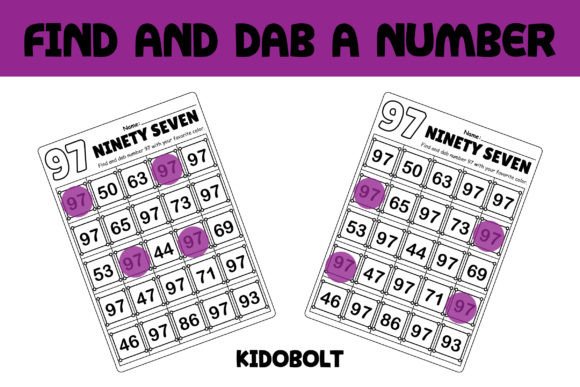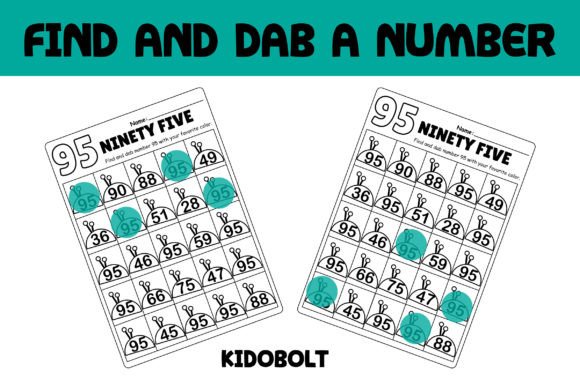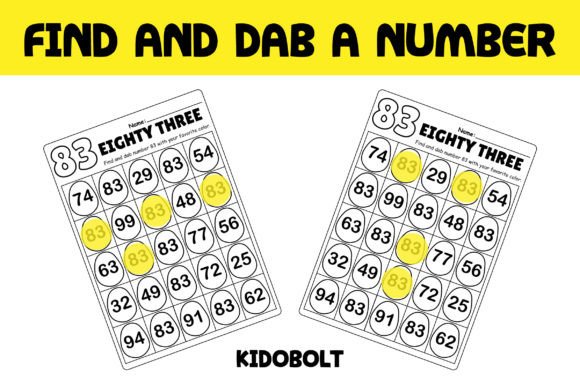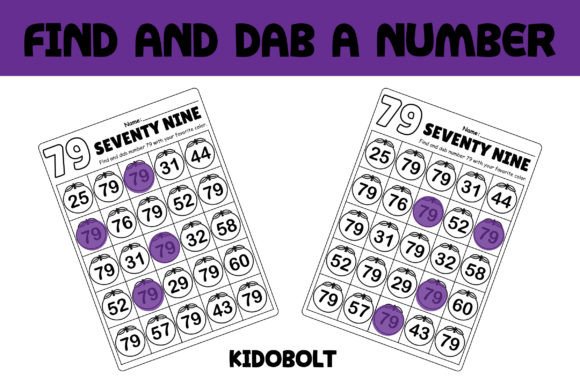
Number Dot Marker Activity Book for Kids
If you’ve ever watched a preschooler grip a dot marker with both hands, tongue poking out in concentration as they press it onto a big bold “5”, you know how powerful—yet simple—this kind of learning tool can be. The Number Dot Marker Activity Book for Kids isn’t just another printable: it’s a tested, KDP-ready interior designed to deliver real results—whether you’re a parent helping your 3-year-old recognize numerals, a kindergarten teacher prepping small-group stations, or a digital creator building a profitable Amazon KDP catalog.
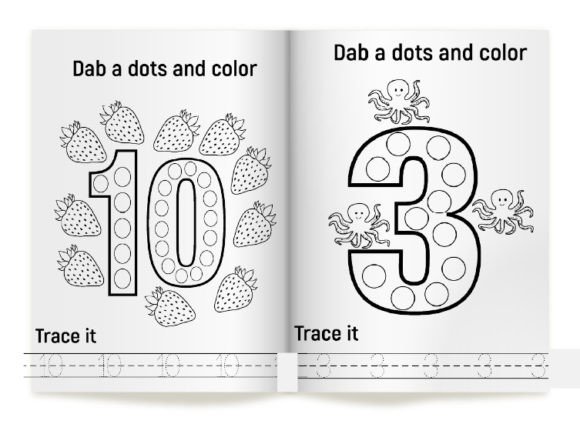
This 11-page activity book gives kids a tactile, joyful way to connect number symbols (0–9) with quantity and fine motor control—all without screens, apps, or complicated instructions. Each page features one large, clear numeral with corresponding dot patterns, guiding children to stamp matching dots inside or around the shape. It’s purpose-built for early math readiness—and built smart for real-world use.
Where and When This Book Fits Into Real Life
You don’t need a classroom or a studio to get value from this resource. Its flexibility shines across everyday contexts:
- At home during rainy afternoons: A 4-year-old sits at the kitchen table with washable dot markers, counting aloud as they fill in each circle beside “7”. No prep, no cleanup drama—just focused play that builds number recognition and hand strength.
- In preschool rotation centers: Teachers print multiple copies, laminate a few, and pair them with bingo daubers. Children rotate through the station independently while educators observe numeral fluency and grip development—without needing to design or format anything.
- For homeschooling families: It slots neatly into a “math & motor” block alongside tracing numbers and sorting objects. Because it’s KDP-tested and print-optimized (8.5 x 11 inches), parents can order physical copies directly—or download and print at home on standard paper or cardstock.
- Inside a broader KDP bundle: Creators bundle it with summer coloring books, cursive writing notebooks, or back-to-school activity packs. Since it includes high-res PNG, JPG, and PDF source files, designers can easily customize covers, add branding, or reformat for themed series—no extra design time or licensing headaches.
Who Benefits—and How It Actually Helps
The Number Dot Marker Activity Book for Kids works because it meets different users’ needs without compromise:
Educators appreciate that every page is intentionally spaced—not overcrowded, not sparse—with thick outlines and generous dot zones. That means fewer marker bleeds, less frustration, and more successful attempts per session. You’ll notice kids returning to the same page days later, now placing dots more precisely or naming numbers faster. That’s progress you can see—and assess.
Parents and caregivers love how little setup it requires. There’s no cutting, no laminating, no lesson planning. Just open, grab markers, and go. For toddlers still developing pincer grasp or struggling with pencil pressure, dot markers reduce fatigue while strengthening the same muscles needed for writing. You’ll see it in how your child holds a crayon two weeks later—not perfectly, but with more control.
KDP publishers and digital creators benefit from its production-ready structure: 11 pages, full bleed-safe layout, CMYK-friendly colors, and embedded fonts. It’s been tested on KDP’s previewer and printing workflow—so you avoid common rejections like blurry text, incorrect margins, or color shifts. Plus, having PNG and JPG versions lets you create social media teasers, Amazon thumbnails, or email newsletter graphics in minutes—not hours.
What to Consider Before Using or Publishing
While the book is ready to go, thoughtful use makes all the difference:
- Markers matter. Washable dot markers work best—especially for younger kids. Avoid permanent or alcohol-based ones unless you’re using cardstock or laminated sheets. Test a corner first if you’re unsure about bleed-through.
- Age alignment is key. Though labeled for ages 3+, some 3-year-olds may still be exploring cause-and-effect (press → dot appears), while others are ready to count and match. Watch for cues: if a child consistently skips numbers or loses interest mid-page, try pairing the activity with verbal counting or physical movement (“Let’s hop 4 times while we stamp!”).
- Don’t overlook the “why” behind repetition. Reusing the same book across weeks or months isn’t filler—it’s how neural pathways strengthen. One child might stamp “3” six times over three days and suddenly start pointing to threes in books or signs. That leap happens quietly, between sessions.
- If publishing on KDP: Double-check your cover matches the interior’s tone and audience. A playful, bright cover with clear age cues (“Ages 3–6”) performs better than generic clipart. And remember—Amazon ranks bundles well. Pairing this with a Tracing Letters and Numbers workbook or a Magical Preschool Workbook increases visibility and average order value.
More Than Just Dots—It’s a Foundation
This isn’t about filling space or checking off a “learning activity.” It’s about giving young children repeated, low-stakes opportunities to connect symbol, sound, and action. Every time a child stamps a dot beside “2”, they’re reinforcing subitizing (recognizing small quantities instantly), number-word association, and bilateral coordination—all before formal instruction begins.
And for adults? It’s peace of mind wrapped in simplicity. Whether you’re juggling remote work and toddler care, managing a busy classroom, or building a side-hustle selling educational printables—the Number Dot Marker Activity Book for Kids delivers consistent, quiet impact. No gimmicks. No fluff. Just 11 pages that do exactly what they promise: help kids learn numbers, build motor skills, and have fun doing it.
That’s why educators keep it in their “go-to” drawer. Why parents request it for birthday party favors. And why savvy KDP creators include it in seasonal launches—from Back To School Activity collections to Summer Coloring Books designed to prevent learning loss. It works where it’s needed most—on the table, in the binder, on the shelf, or in the cart.