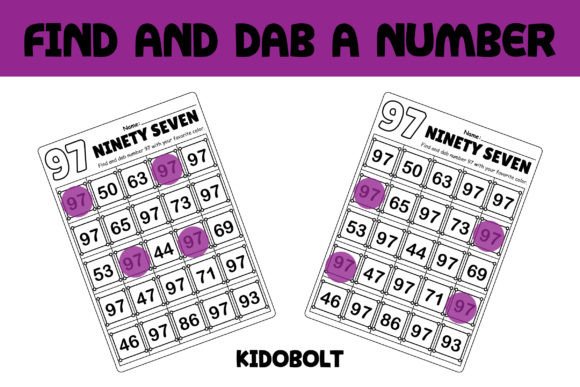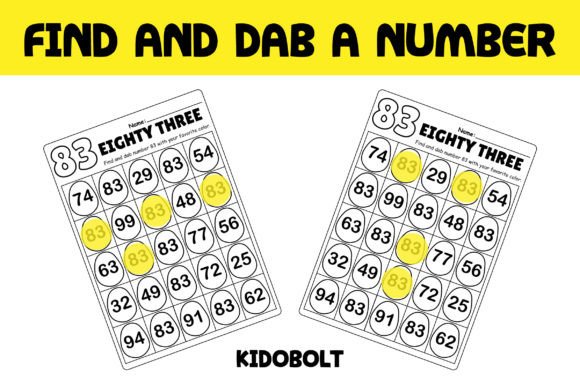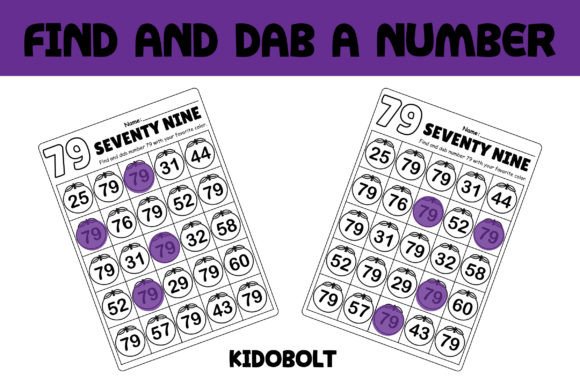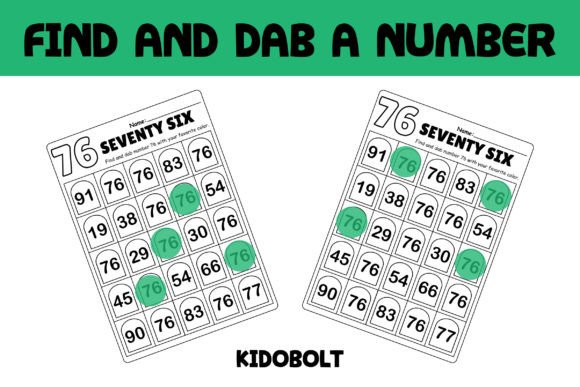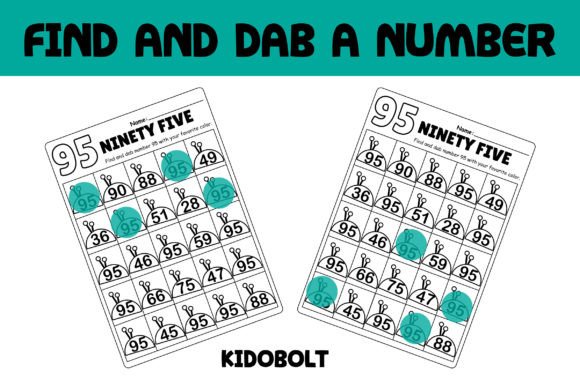
PreK Dab a Dot Number Worksheet - 95
If you’ve ever watched a preschooler light up at the *squelch* of a dabber hitting paper—or seen a kindergartner proudly point to “17” after tracing it with five bright dots—you already know the quiet magic of hands-on number learning. The PreK Dab a Dot Number Worksheet - 95 isn’t just another printable—it’s a low-pressure, high-engagement tool that meets kids where they are: curious, tactile, and still building the neural pathways that turn squiggles into meaning.
This JPG file (300 DPI, crisp and classroom-ready) features one number per page—specifically, the number 95—designed for repeated, joyful practice. But don’t let the single-number focus fool you. That simplicity is its superpower. It gives children space to slow down, look closely, and connect symbol (“95”) to quantity, formation, and even place value—without overwhelming them with rows of digits or abstract drills.
Where This Worksheet Fits in Real Life—Not Just on Paper
Think beyond “just a worksheet.” Teachers use the PreK Dab a Dot Number Worksheet - 95 during morning meetings as part of a “Number of the Day” routine—dabbing each digit, counting out 95 small objects (like buttons or pom-poms), or even spotting how many times “9” and “5” appear in classroom labels or calendars. At home, it becomes a calming wind-down activity after school—no screens, no pressure, just focused color and counting.
It shines brightest in situations where traditional pencil-and-paper tasks fall short:
- For kids who rush past numbers: Dabbing forces pause and attention. You can’t dab “95” without noticing the “9” comes first—and that it’s not the same as “59.”
- For learners who need sensory input: The physical press of a dabber (or stamp, sticker, or cotton swab dipped in paint) builds fine motor control while reinforcing number recognition.
- For classrooms with mixed readiness levels: One child dabs the number itself; another counts out 95 dots across a grid; a third writes “ninety-five” underneath. Same sheet, layered learning.
- For back-to-school assessment: Hand out the PreK Dab a Dot Number Worksheet - 95 alongside others (like 7, 14, or 32) during the first week—not as a test, but as gentle observation. Do they recognize “95” instantly? Hesitate? Confuse it with “59”? That tells you more than any checklist.
More Than Dots—A Toolkit, Not a Template
The beauty of this resource is how easily it adapts. While designed for dabbers (those beloved foam-tipped markers kids love squeezing), it works beautifully with alternatives—making it inclusive for different needs, budgets, and classroom setups:
- Decorative stamps: A star stamp for “9,” a circle for “5”—adds pattern play and visual rhythm.
- Dry-erase markers on laminated sheets: Reusable for small-group rotations or math centers. Wipe clean, dab again.
- Pom-poms or buttons: Glue or place them directly on the number outline—great for developing pincer grasp and hand-eye coordination.
- Stickers: Especially helpful for kids who find dabbers messy or hard to control. Peeling and placing builds focus and patience.
One kindergarten teacher shared how she used the PreK Dab a Dot Number Worksheet - 95 during a “Counting Carnival” station—students dabbed the number, then visited a matching bin with 95 items (e.g., plastic bears, craft sticks, or punched paper circles). No worksheets were collected or graded. Just presence, practice, and quiet confidence building.
What to Consider Before You Print (and Why It Matters)
Like any great tool, the PreK Dab a Dot Number Worksheet - 95 works best when matched thoughtfully to your goal and audience:
- Age & exposure matter: While labeled “PreK–Kindergarten,” most 3-year-olds won’t yet recognize “95” as a cohesive number—it’s likely too large for early number sense. Use it intentionally: as part of a larger unit on tens and ones, or paired with concrete materials (e.g., “Let’s make 95 with ten-frames”). For younger kids, start lower—try the “7” or “12” versions first.
- Motor skills vary widely: If a child struggles with grip or coordination, swap the dabber for stickers or stamps. Or let them dab with their index finger using washable paint—still sensory, still intentional.
- Don’t skip the talk: Dabbing alone isn’t enough. Ask open questions: “How is 95 like 90? How is it different from 59?” “Can you show me 95 with your fingers? With blocks?” That verbal layer turns motor practice into real number reasoning.
- Storage and prep count: Since it’s a high-res JPG, print it on cardstock for durability—or laminate for reuse. Keep dabbers organized in labeled cups (red for “9,” blue for “5”) to add color-coding and reduce decision fatigue for little ones.
Why It Stands Out in a Sea of Number Printables
There are hundreds of number worksheets online. What makes the PreK Dab a Dot Number Worksheet - 95 different isn’t novelty—it’s intentionality. It doesn’t try to do everything. It does one thing well: anchor the number 95 in multiple senses—visual (shape), tactile (dabbing), auditory (saying it aloud), and conceptual (breaking it into tens and ones).
It’s also quietly supportive of developmental milestones beyond math: following multi-step directions (“Find the 9, dab it, now find the 5”), sustaining attention (a full page of focused action), and building confidence through immediate, visible success. When a child finishes dabbing “95” and says, “I did it!”—that’s not just about a number. It’s about agency.
And yes—it’s social. When families or teachers share photos of their completed PreK Dab a Dot Number Worksheet - 95—with glitter glue accents, mismatched stickers, or tiny fingerprints still visible—they’re not just showing off a worksheet. They’re modeling joy in learning, inviting others to try, and reminding everyone that growth lives in the small, colorful, imperfect moments.