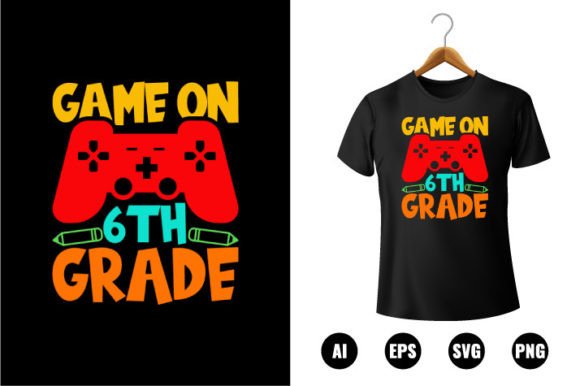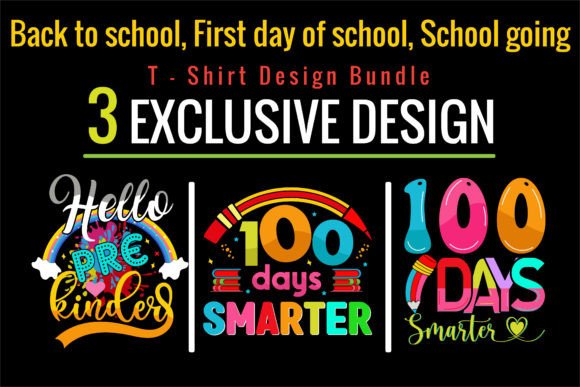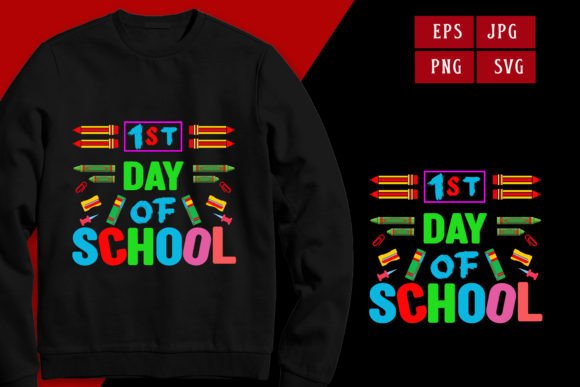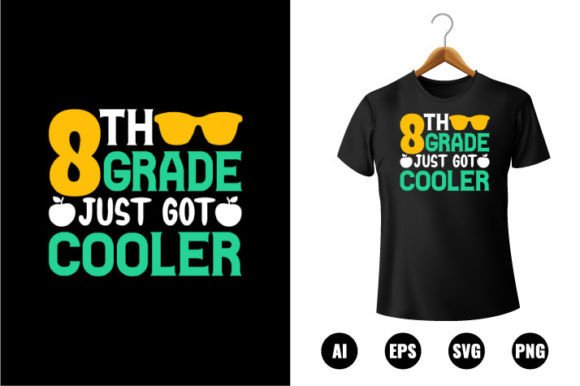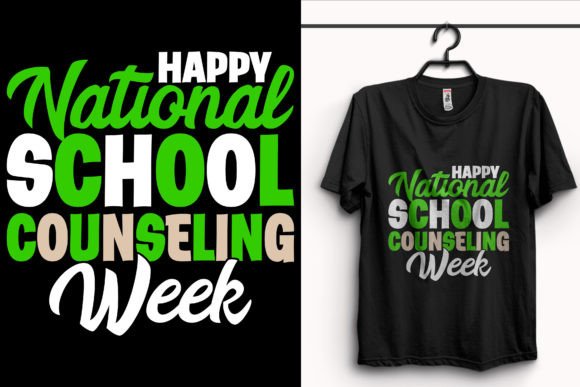
Happy National School T-Shirt Design
This cheerful, kindergarten-ready t-shirt design balances simplicity with strong visual appeal—ideal for back-to-school campaigns, school spirit wear, or print-on-demand shops targeting families and early educators. At its core, it’s a friendly, hand-drawn-inspired illustration: think rounded letterforms, soft outlines, and a warm, inclusive vibe—not overly complex, but instantly legible and emotionally resonant for young children and the adults who care for them.
The design avoids clutter while maintaining personality. It uses generous negative space, balanced proportions, and a clear focal point—often a playful phrase like “Happy National School” paired with subtle educational motifs (e.g., apples, pencils, or smiling suns) rendered in clean vector shapes. Its charm lies in restraint: no competing elements, no aggressive contrast, just warmth, clarity, and age-appropriate energy.
Why This Design Fits Real Creative Workflows
Unlike generic clipart or overused templates, the Happy National School T-Shirt Design is built as a practical creative asset—not just a picture, but a toolkit. You get one SVG, one AI file, one PDF, one EPS, one high-res PNG, and three JPEG variants—all rooted in the same 300 DPI RGB source at 4500×5400 pixels. That resolution holds up crisply on garment prints, vinyl cutters, iron-on transfers, and even large-format classroom posters.
Each file type serves a distinct purpose: SVG for web use and scalable digital displays; AI and EPS for precise editing in Adobe Illustrator or CorelDRAW; PDF for quick client sharing or print prep; PNG for transparent-background mockups; and JPEGs for social media previews, email banners, or blog thumbnails. The inclusion of all six formats means you’re not converting, resampling, or guessing—you’re executing.
Design Flexibility Without Compromise
All 100 vector shapes are fully editable—no rasterized layers, no locked groups. Change colors in seconds using global swatches or direct selection. Swap out icons, adjust spacing, or reposition text blocks without quality loss. Because it’s vector-based, scaling from a toddler-sized onesie (6″ wide) to a wall banner (48″ wide) introduces zero pixelation or edge distortion.
The color palette is intentionally versatile: built in RGB for screen accuracy but easily convertible to CMYK for professional garment printing. If your POD partner uses DTG, sublimation, or screen printing, this design adapts cleanly—no manual touch-ups needed. And because the base files include layered structure (text on separate layers, icons grouped logically), customizing for different grade levels (“Pre-K Heroes,” “Kindergarten Crew”) becomes a five-minute task—not an afternoon of troubleshooting.
Where This Design Adds Quiet Value
It works where many school-themed designs fail: across contexts that demand both consistency and flexibility. A small Montessori co-op can use the AI file to add their logo beside the main graphic, then export a print-ready PDF for local screen printers. An Etsy seller can drop the SVG into Cricut Design Space for vinyl decals on tote bags or lunchboxes. A blogger covering early childhood education might pull the PNG into Canva to create Instagram carousels about classroom setup tips—keeping visual continuity across platforms.
For marketers and small business owners, this isn’t just decoration—it’s brand scaffolding. The design’s tone supports trust and approachability, which matters when selling curriculum kits, parent workshops, or bilingual learning tools. Its readability at small sizes (tested down to 1.5″ tall on chest prints) ensures recognition even on squirming kindergarteners mid-recess. No squinting. No ambiguity. Just instant, gentle recognition.
Practical Tips Before You Use It
Test the color change workflow first: open the AI file, select all shape layers, and apply a new swatch. Notice how gradients and shadows update uniformly—this tells you the file was built with production in mind, not just aesthetics. Then try exporting a 12″-wide JPEG at 300 DPI and zoom in: edges should remain razor-sharp, with no halos or anti-aliasing blur.
If pairing with typography, lean into contrast: pair the design’s soft curves with a sturdy, neutral sans serif (like Montserrat or Inter) for supporting text—headlines, tags, or care instructions. Avoid competing scripts or decorative fonts; they dilute the design’s calm authority. For packaging or invitation use, keep the original color scheme intact unless your brand guidelines require adaptation—consistency here builds subconscious recognition across touchpoints.
Licensing is straightforward: commercial use is included, no attribution required. That means you can sell printed shirts, embed the design in digital lesson plans, or use it on merchandise sold via Amazon Merch, Redbubble, or your own Shopify store. Just avoid reselling the source files as standalone digital assets—that’s outside the license scope.
Who Benefits Most—and How
Designers appreciate the clean layering and absence of embedded raster images. Entrepreneurs launching a school-themed apparel line save hours on prepress prep. Bloggers and content creators get plug-and-play visuals that align with early education values—no stock photo fatigue. Crafters using Cricut or Silhouette machines skip the tracing step entirely: the SVG cuts cleanly on the first pass.
Even if you don’t run a POD shop, this design solves smaller but frequent problems: updating a PTA newsletter header, designing a “Meet the Teacher” card, or creating consistent signage for a preschool open house. Its strength isn’t in complexity—it’s in reliability. You open the file, make one intentional change, and move forward. No second-guessing, no rendering delays, no vendor back-and-forth.
If you need this exact style—or something similarly warm, scalable, and production-ready for schools, childcare centers, or family-focused brands—you’re not just downloading a file. You’re adding a dependable, human-centered design asset to your working library. One that respects your time, your audience’s needs, and the quiet professionalism that real educational work demands.